


Kosher food: certified food quality and safety
When we talk about Kosher food, we refer to a niche market with a very high growth potential, which is aimed at an audience of consumers spread across all 5 continents, in every country where there is a Jewish community. The most important markets are Israel and the United States, but Kosher certified products are also in demand in Europe, mostly from France and Great Britain and in distant markets such as South Africa and Australia.
Shir Food supports each customer/supplier in obtaining the best Kosher Certification which must be assessed in advance, based on the target market.
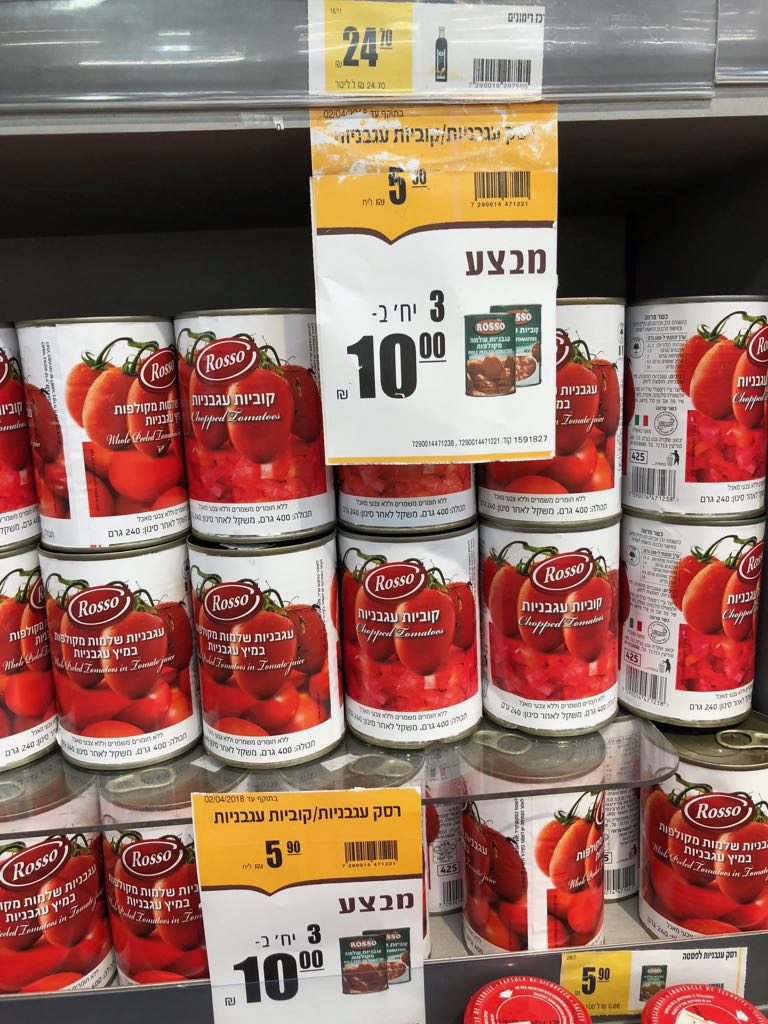

The fundamental feature of the Kosher supply chain is that all production stages are documented and certified for “compliance with the adequacy” to the Jewish dietary rules: not just for all the ingredients used in the composition of the food, but also as far as the production plants and the packaging process are concerned.
However, Kosher Certification is not just a set of religious rules, which observant consumers of the Jewish faith are required to follow, but it is also a certificate of food quality and safety of the products.
The manufacturing processes of Kosher products coincide with and, sometimes by their nature, exceed the hygienic-sanitary attentions of the contemporary food industry.
Shir Food & Wine
Kosher consumers
The Kosher food market, from a limited area within the Jewish communities, has experienced progressive growth over the years with few slowdowns and constant acceleration. The ‘mad cow disease’ and ‘bird flu’ epidemics have made consumers more aware and demanding in terms of food quality and safety.
Food quality and safety that they have recognized and learned to appreciate in the foodstuffs of the Kosher supply chain, hence the growing consumption also by non-Jews.
01.
Therefore, there are Kosher consumers who choose certified products for reasons related to health, food safety, taste, vegetarianism and other dietary restrictions.
02.
Another slice of the market is represented by Muslims, who turn to Kosher food in the absence of an alternative, as the measures on the treatment of food are quite similar between the two religions.
03.
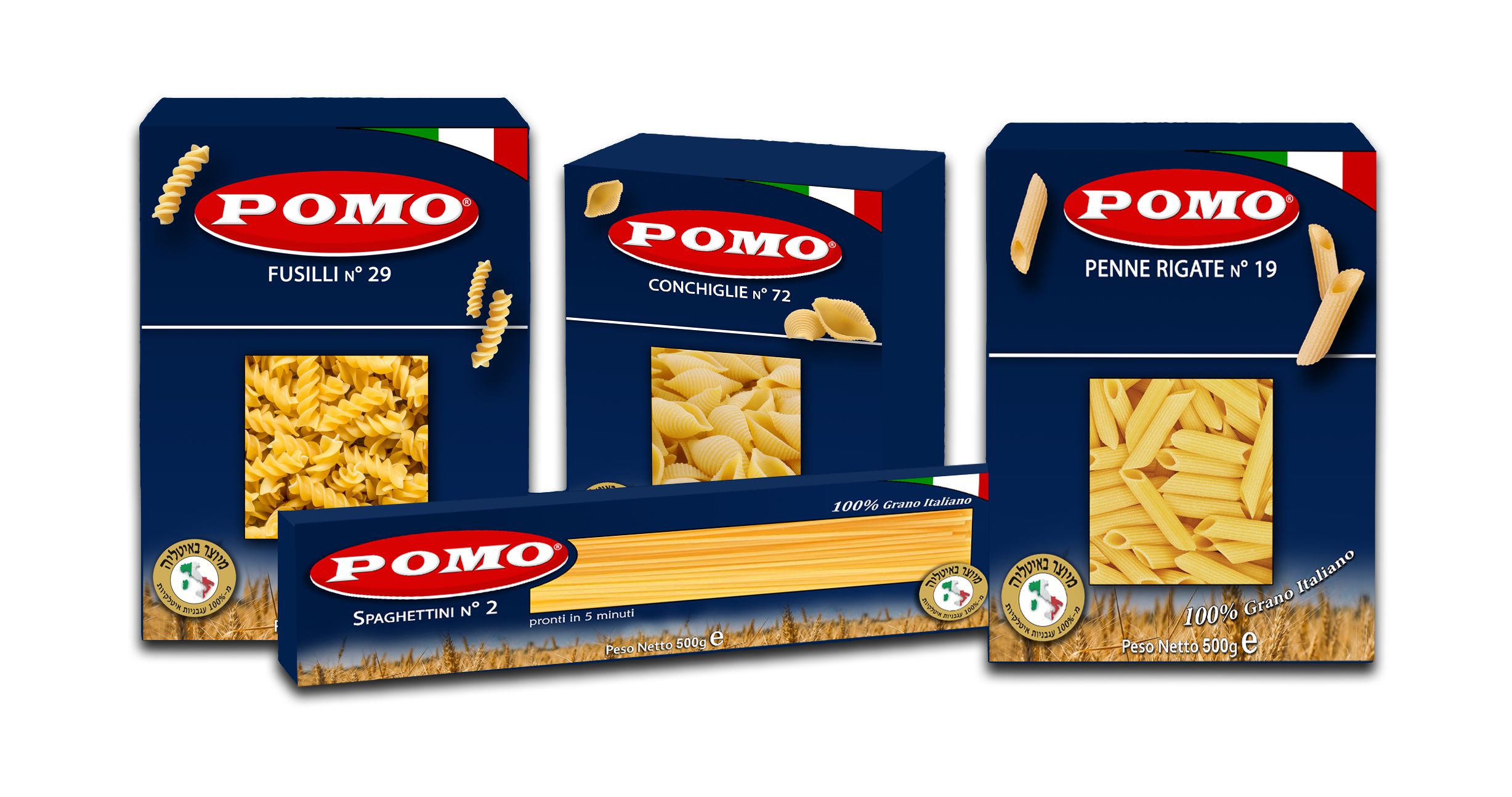
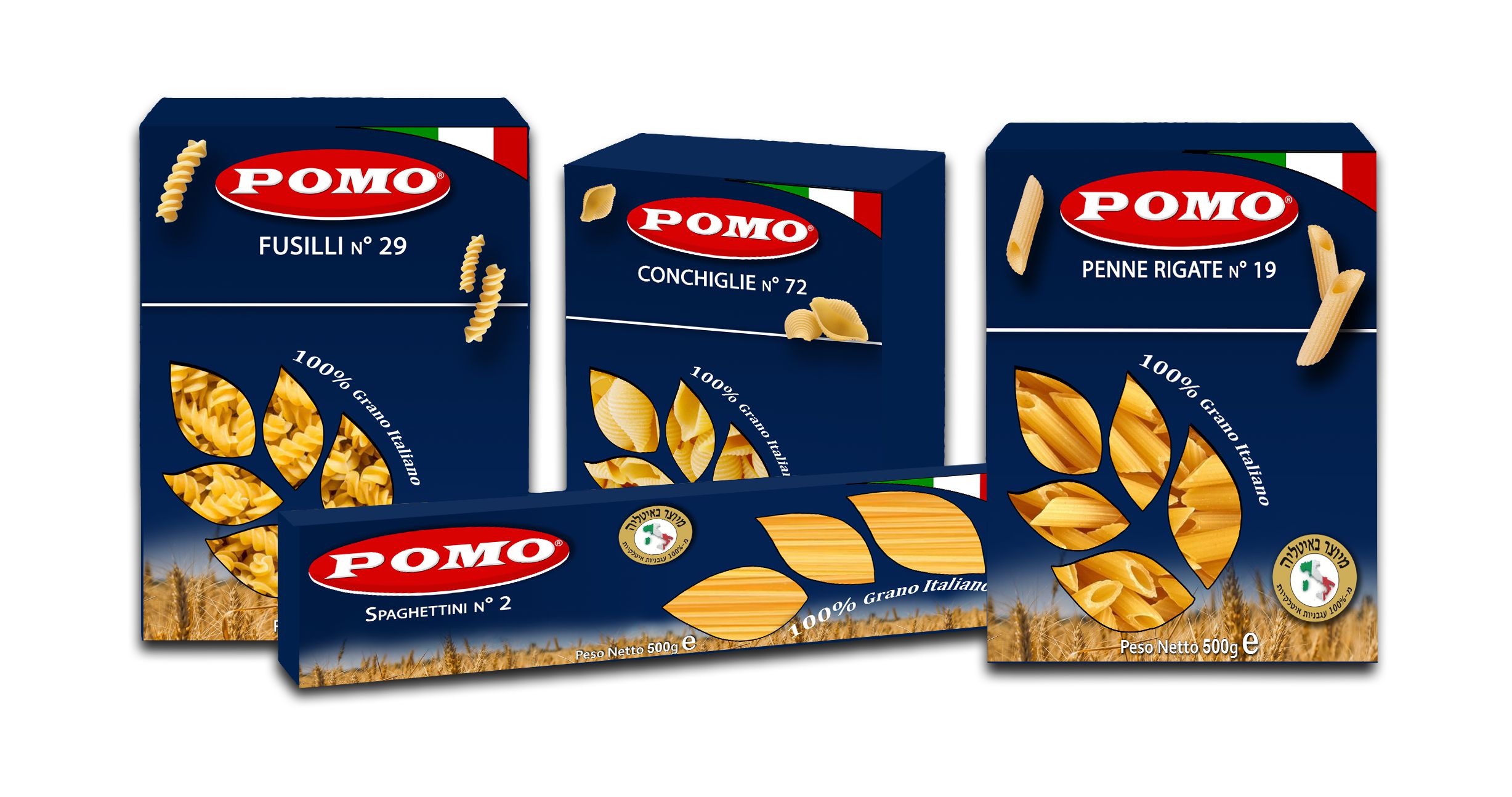
As far as the Jewish consumer is concerned, a progressive phenomenon of opening up and the diversification of food is underway, moving from a very traditional and little-varied diet to the introduction of foreign cuisines, such as the Italian one, provided that they comply with the Kosher provisions.
04.
Israeli buyers are both traditionalists and attentive to religious dictates on the one hand, and strongly ‘urban’ and cosmopolitan and therefore open to broadening their eating habits to include ingredients: those Made in Italy handled by Shir Food are perceived as interesting, refined, but also healthy.